

The past week showed a clear shift across Africa’s crypto space. The focus is no longer just on trading, but on how money actually moves, with regulators and infrastructure players shaping the next phase.
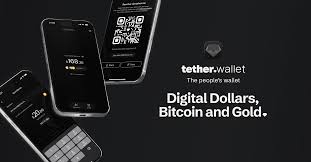
Tether Launches Self-Custodial “People’s Wallet”
Tether has launched tether.wallet, a self-custodial digital wallet designed to give users direct access to its global financial infrastructure. The wallet supports USD₮, gold-backed XAU₮, USA₮, and Bitcoin across multiple networks, enabling simple, near-instant transactions without needing gas tokens. With over 570 million users globally, Tether says the product aims to expand financial access by making digital assets easier to use while keeping users in full control of their funds.
MoneyGram and NALA have partnered to use stablecoins as the settlement layer for payouts into emerging markets
The integration leverages NALA’s licensed Rafiki on- and off-ramp infrastructure and local payout network to enable near real-time settlement, reduce FX costs, support 24/7 payouts, improve bank and mobile money connectivity, and lower prefunding requirements for MoneyGram.
>>> Read More Here
Kredete has partnered with Visa Africa to advance stablecoin-backed card innovation. Kredete launched Africa’s first stablecoin-backed credit card with Visa, enabling users across 50 African countries to spend U.S. dollar-backed stablecoins at over 150 million merchants globally.
South Africa is also moving into a stricter phase. Regulators have shifted from simply licensing crypto firms to actively supervising them. Inspections over the past year show that not all companies meet the required standards. This is likely to raise the bar across the market, favouring firms with stronger systems and clearer compliance practices. Read More Here
Kenya’s new virtual asset framework is now in place, bringing clear rules around licensing, identity checks, reporting, and capital requirements for crypto firms. While stricter rules can slow some businesses in the short term, they may help Kenya improve its standing with global financial watchdogs. If that happens, it could make it easier for local companies to work with banks and international partners. Read More Here
If you found this useful, subscribe to Chasing Mavericks Newsletter for clear, grounded insights on blockchain, stablecoins, and digital finance across the continent>> Sign Up Here
Thanks for reading. See you next week.